
UKABC presents to the Sixth ASEAN Economic Ministers–UK Consultation
Manila, 22 September 2026
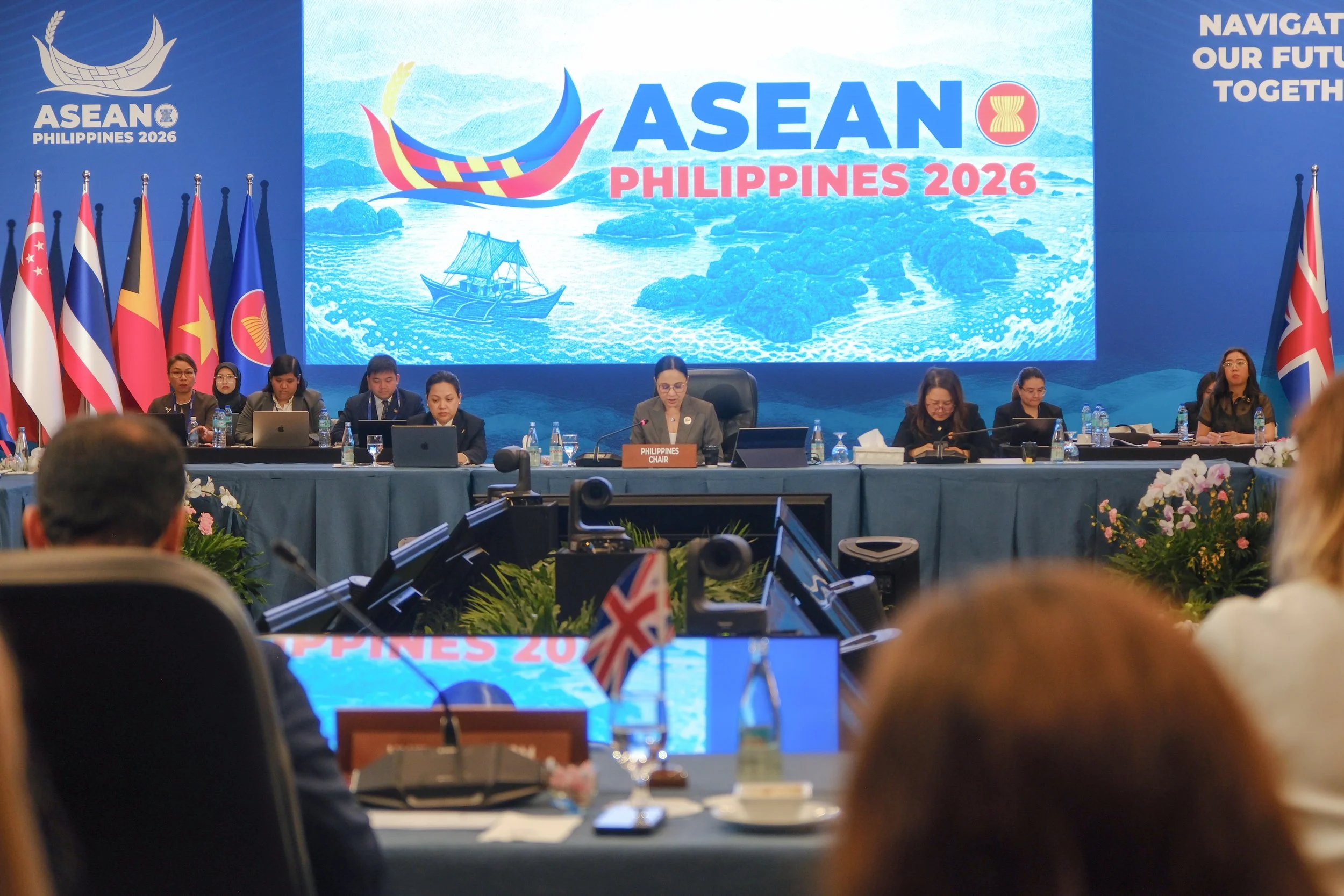
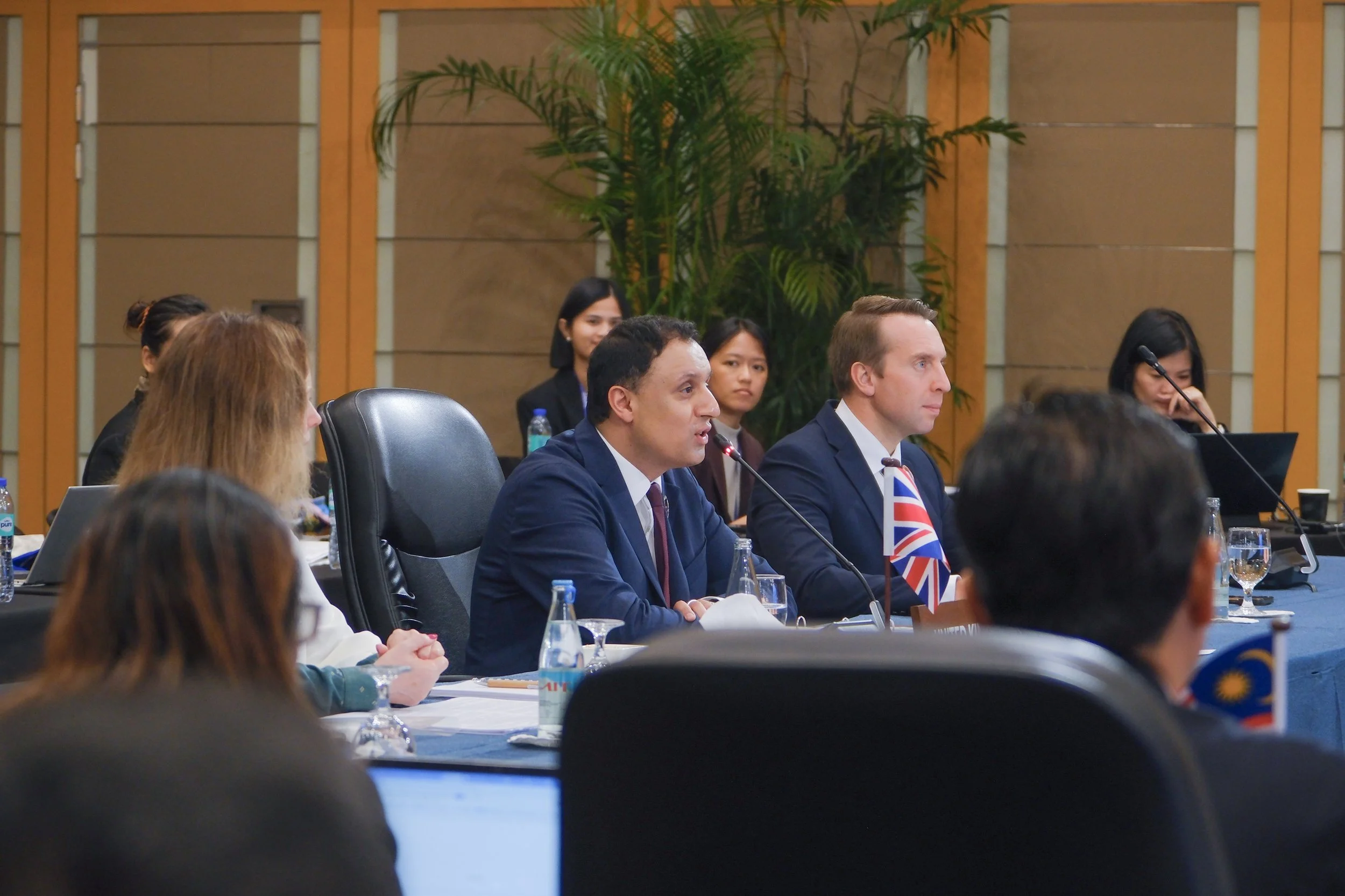
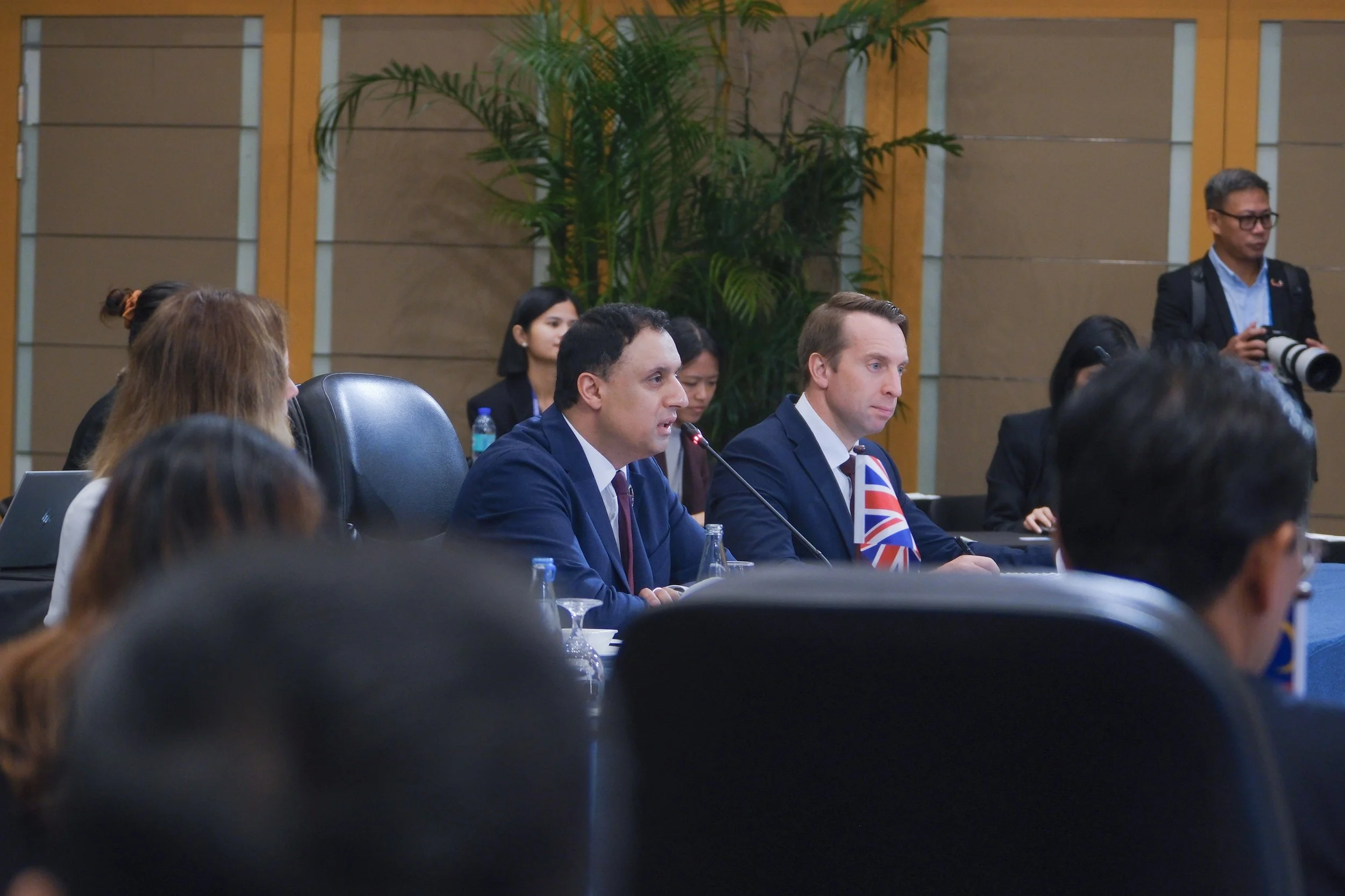
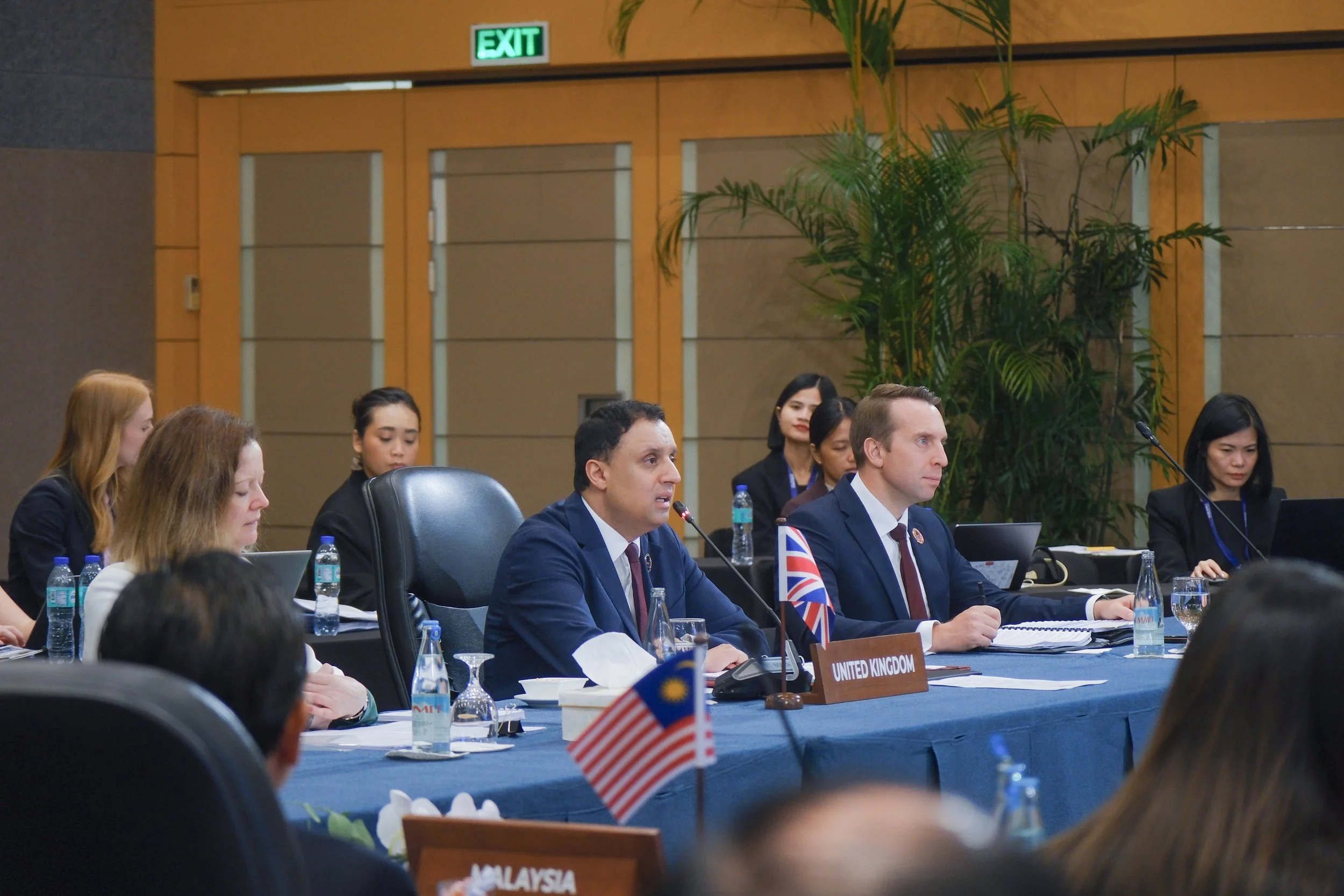
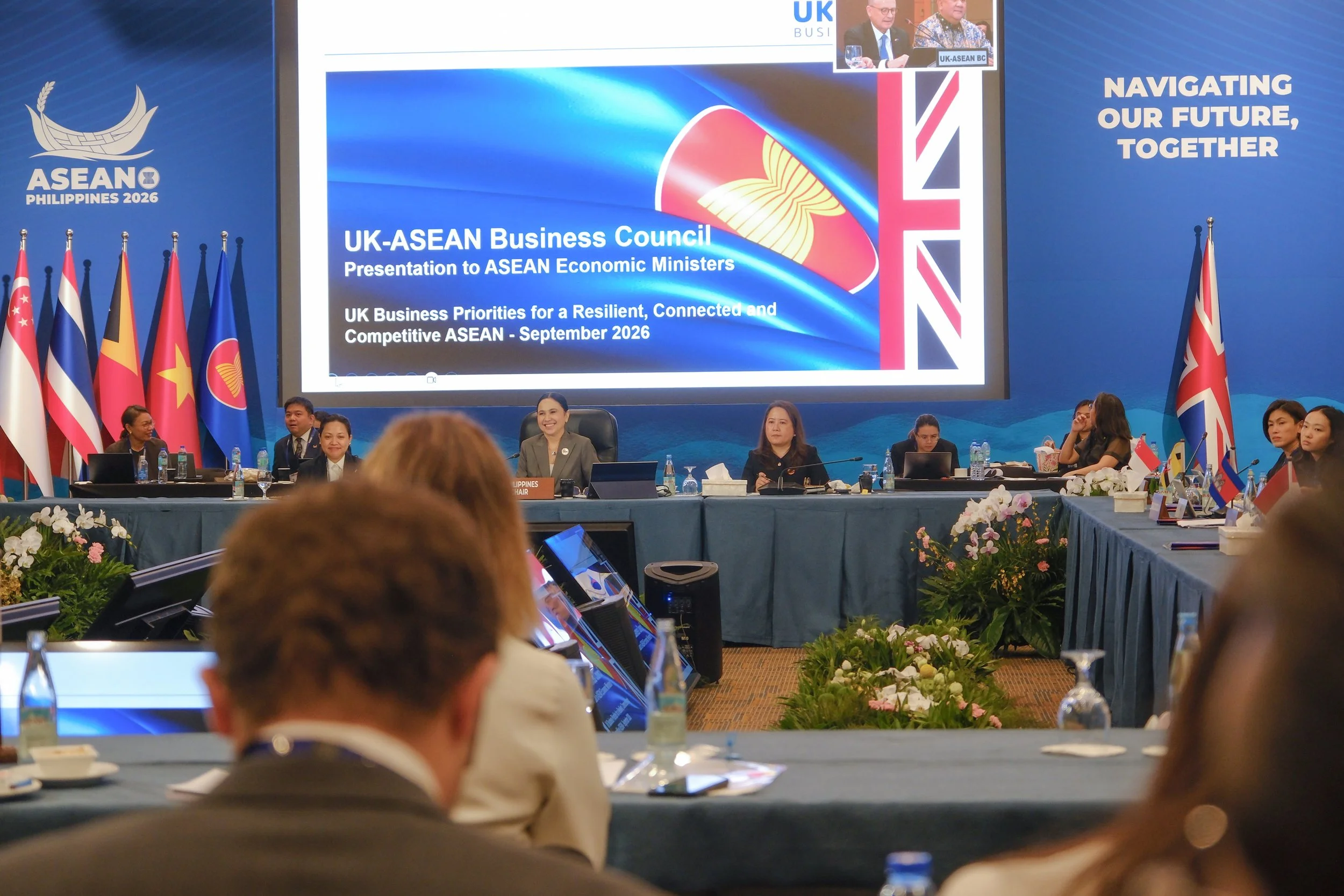
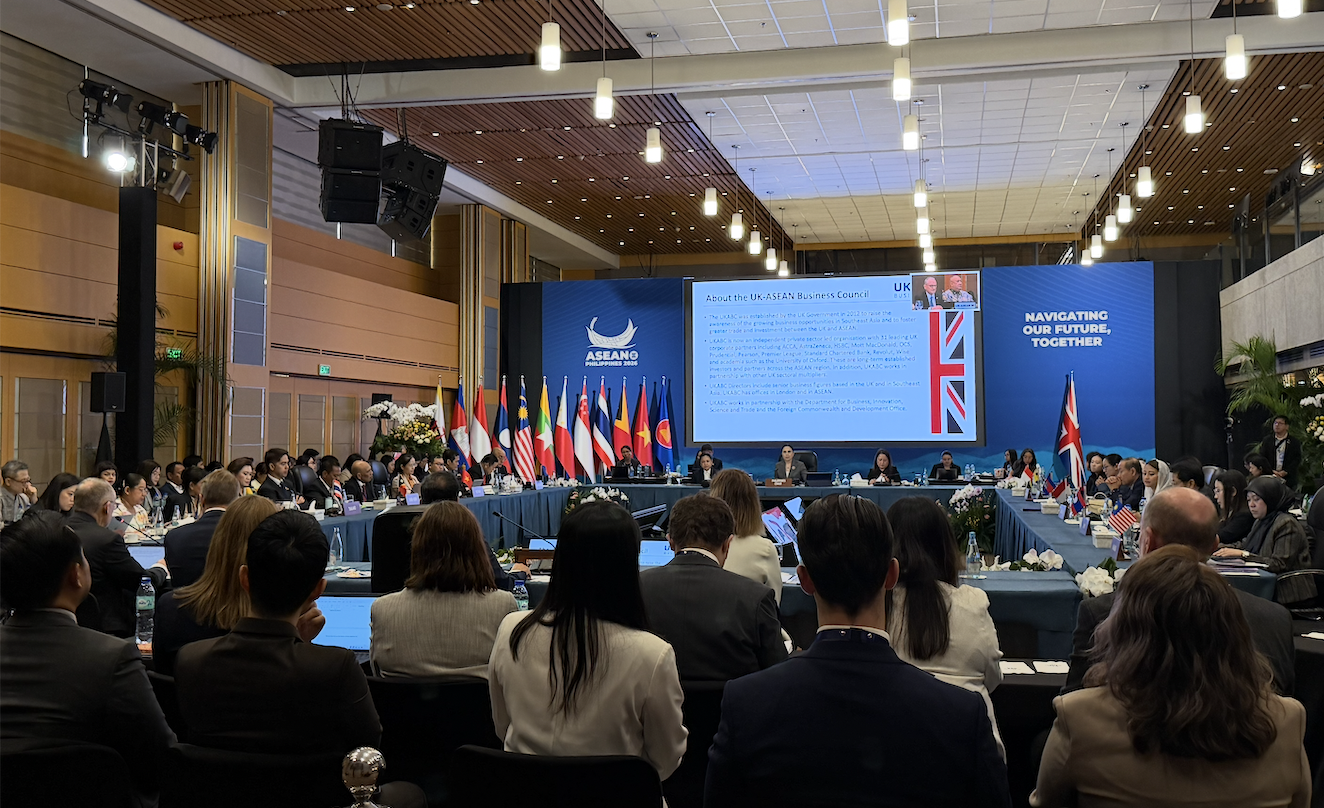
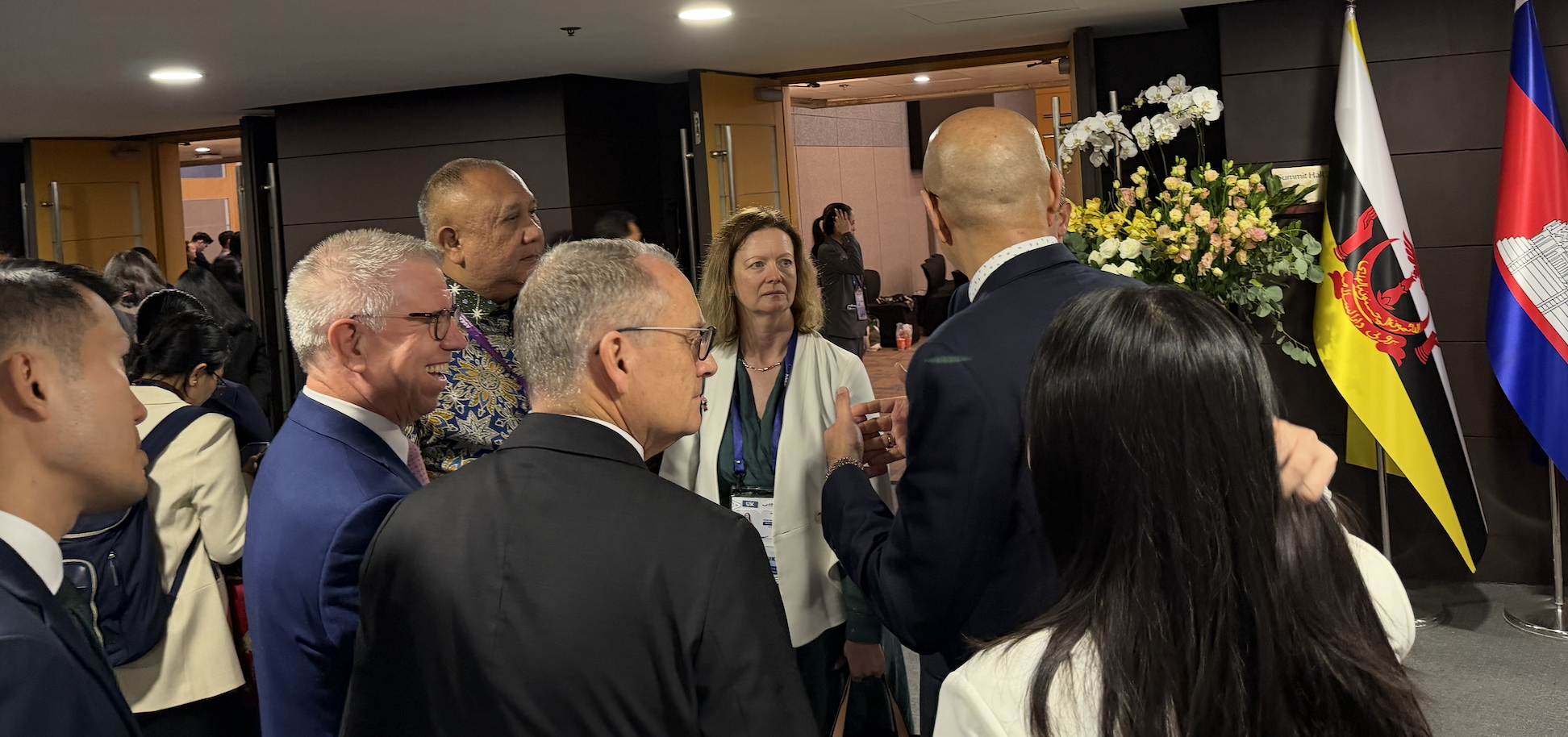
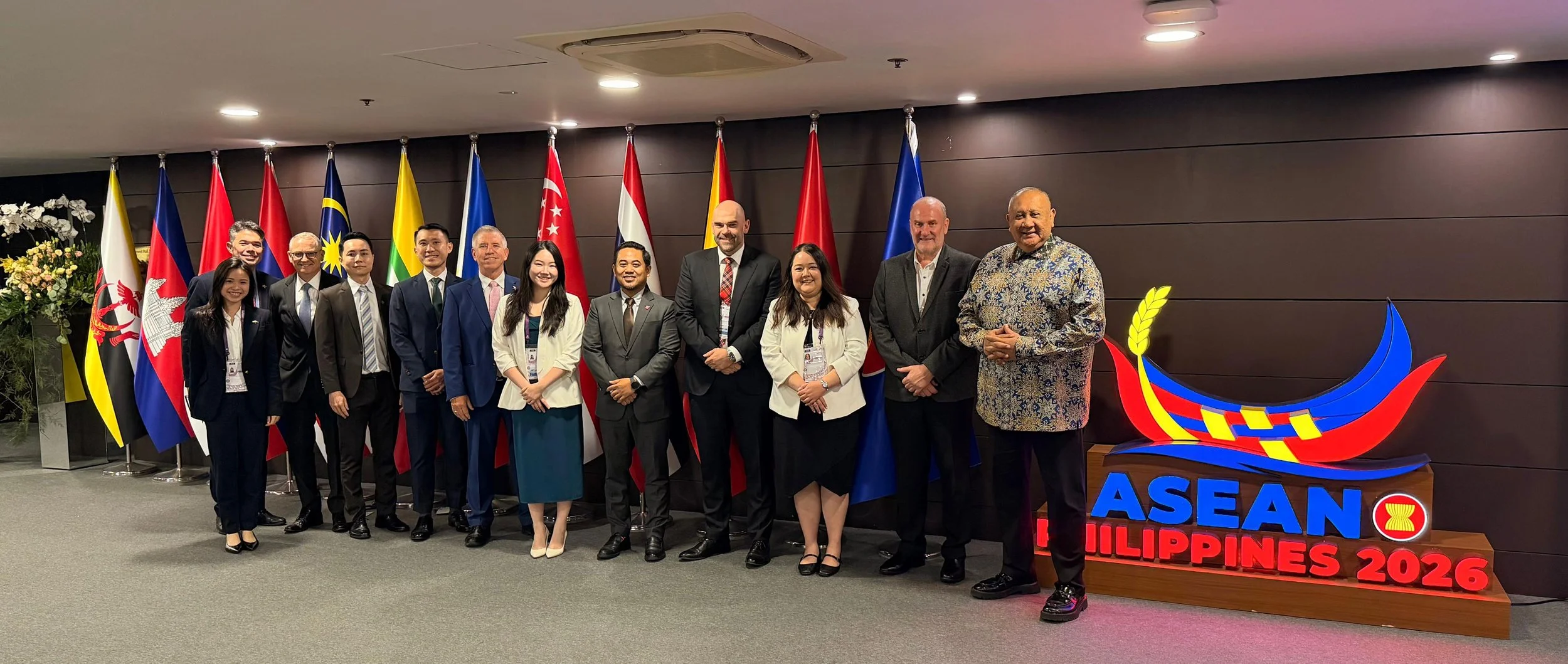
On 22 September 2026, the UK-ASEAN Business Council (UKABC) presented to the Sixth ASEAN Economic Ministers–UK Consultation in Manila.
UKABC highlighted that ASEAN's prospects now depend on delivery: bankable infrastructure, a digital economy agreement that works in practice, and a workforce with the right skills.
The UK, the Philippines, Indonesia, Singapore, Cambodia and Brunei each responded positively, endorsing UKABC's three priorities and welcoming deeper business engagement.
On 22 September, the UK-ASEAN Business Council presented to the Sixth ASEAN Economic Ministers–UK Consultation at the Philippines International Convention Centre in Manila. The meeting was co-chaired by Secretary Cristina Roque of the Philippines and Minister Sarwar of the UK, with ASEAN Economic Ministers and the ASEAN Secretary-General, Dr Kao Kim Hourn, in attendance.
Stuart Tait, UKABC Vice-Chair and Head of Commercial Banking at HSBC UK, and Donny Donosepoetro, CEO of Standard Chartered Bank Indonesia, presented on behalf of UKABC. Representatives of ACCA, HSBC, OCS, Pearson, Prudential, Revolut, Standard Chartered Bank joined the UKABC delegation.
The presentation was very well received. Ministers raised questions on project finance, skills and reporting standards, and invited UK input on financing the ASEAN Power Grid and on pilots under the new Digital Economy Framework Agreement (DEFA).
Opening remarks
UKABC congratulated Ministers on the Second Protocol upgrading the ASEAN Trade in Goods Agreement (ATIGA) and on the conclusion of DEFA negotiations. It welcomed the ASEAN-UK Plan of Action 2027–2031 and the commitment to an updated Economic Work Plan in 2026.
UKABC noted that UK–ASEAN trade reached £62.1bn in 2025, more than UK trade with India and Latin America and the Caribbean combined.
Priority 1: Resilient and investable infrastructure
UKABC’s presentation set out that ASEAN needs to turn its infrastructure requirements into a pipeline of bankable projects that attract private capital at scale. Easing the grid bottleneck could unlock up to US$80bn of additional investment in Southeast Asia by 2030.
Success depends on project bankability, private capital, cross-border energy connectivity and resilient infrastructure. The ASEAN Power Grid would benefit from common rules on market access, transmission pricing and tariffs, with public and development finance absorbing risks that private investors cannot bear. Existing cross-border power-trading arrangements could be standardised and scaled across the region.
Priority 2: Digital, financial and trade connectivity
With DEFA concluded and soon to be signed, UKABC proposed that the focus should shift to implementation, with clear sequencing, consistent interpretation and capacity-building.
The ASEAN Single Window should give legal recognition to more electronic documents, including e-invoices and electronic bills of lading. Regulated banks and non-bank providers should have safe, proportionate access to domestic payment systems. Customers should see the full cost of cross-border payments before they pay: the fee, the exchange rate, the mark-up and the amount received.
These steps would support the UN target of cutting average remittance costs below 3% by 2030.
Priority 3: A resilient and productive workforce
Infrastructure and digital investment deliver their full value only when the right skills are available, from cybersecurity and AI to grid operation.
UKABC business recommendations included employer-led training, apprenticeships, placements and mid-career reskilling, and called for progress on mutual recognition of qualifications, building on the ASEAN Qualifications Reference Framework. UK professional bodies offered to continue to help regulators, auditors and boards adopt IFRS Accounting Standards and ISSB sustainability disclosure standards.
Ministerial responses
UKABC business recommendations were welcomed by both the UK Trade Minister and his ASEAN counterparts. Minister Sarwar recognised UKABC's role in promoting ASEAN opportunities in the UK and its work with the ASEAN Business Advisory Council in the region. He noted that business engagement has been one of several key drivers underpinning the first five years of the ASEAN-UK Dialogue Partnership.
The Minister asked UKABC to continue to amplify export, import and investment partnerships and success stories with ASEAN and working with individual Member States.
UKABC welcomed Ministerial interventions from The Philippines as Chair, Indonesia, Singapore, Cambodia and Brunei. These interventions endorsed the UK’s business recommendations and suggested further areas for future collaboration.
UKABC Members















Follow our LinkedIn account for the latest updates.