UKABC in Vietnam: building lasting partnerships and business opportunities
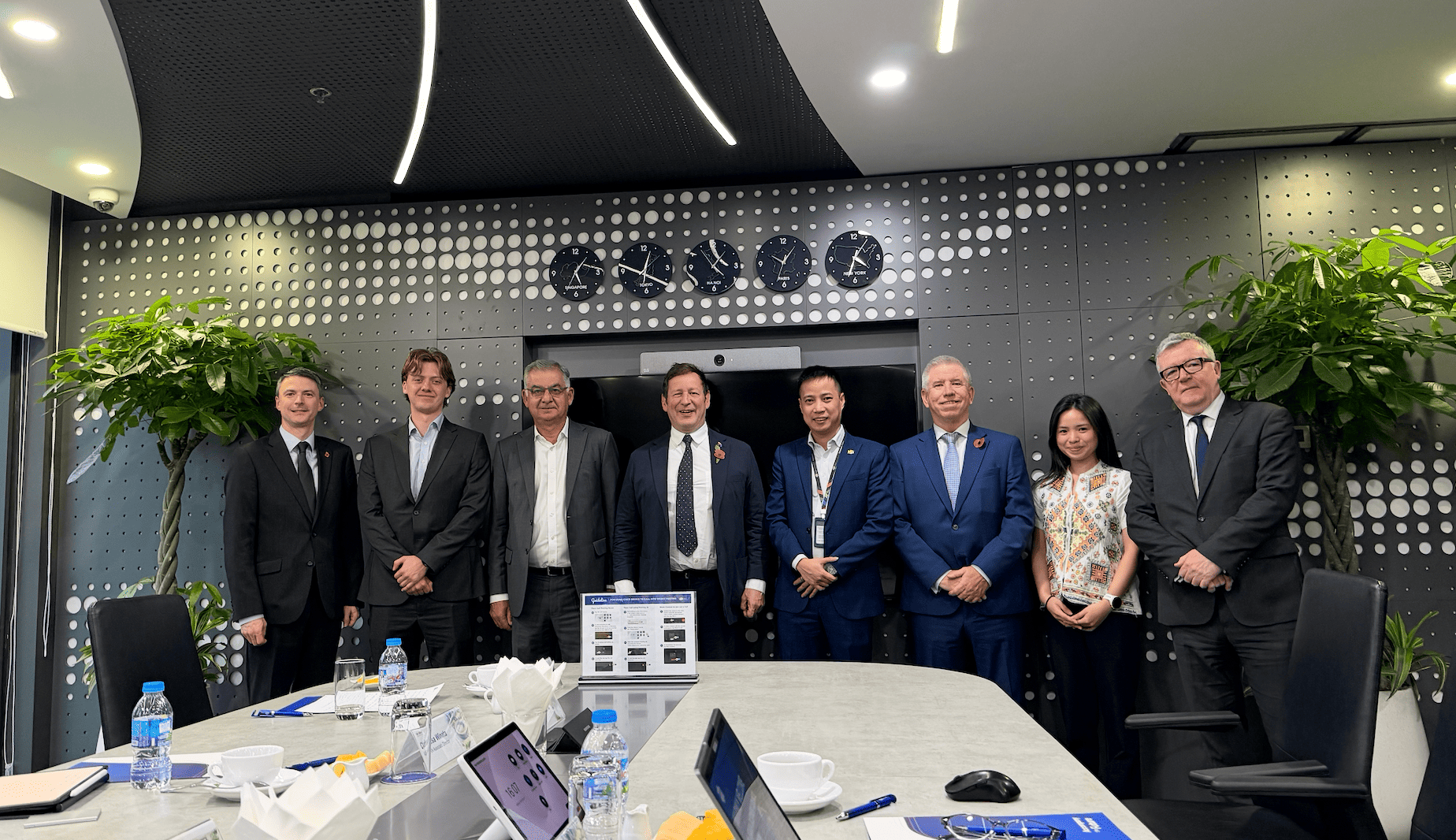
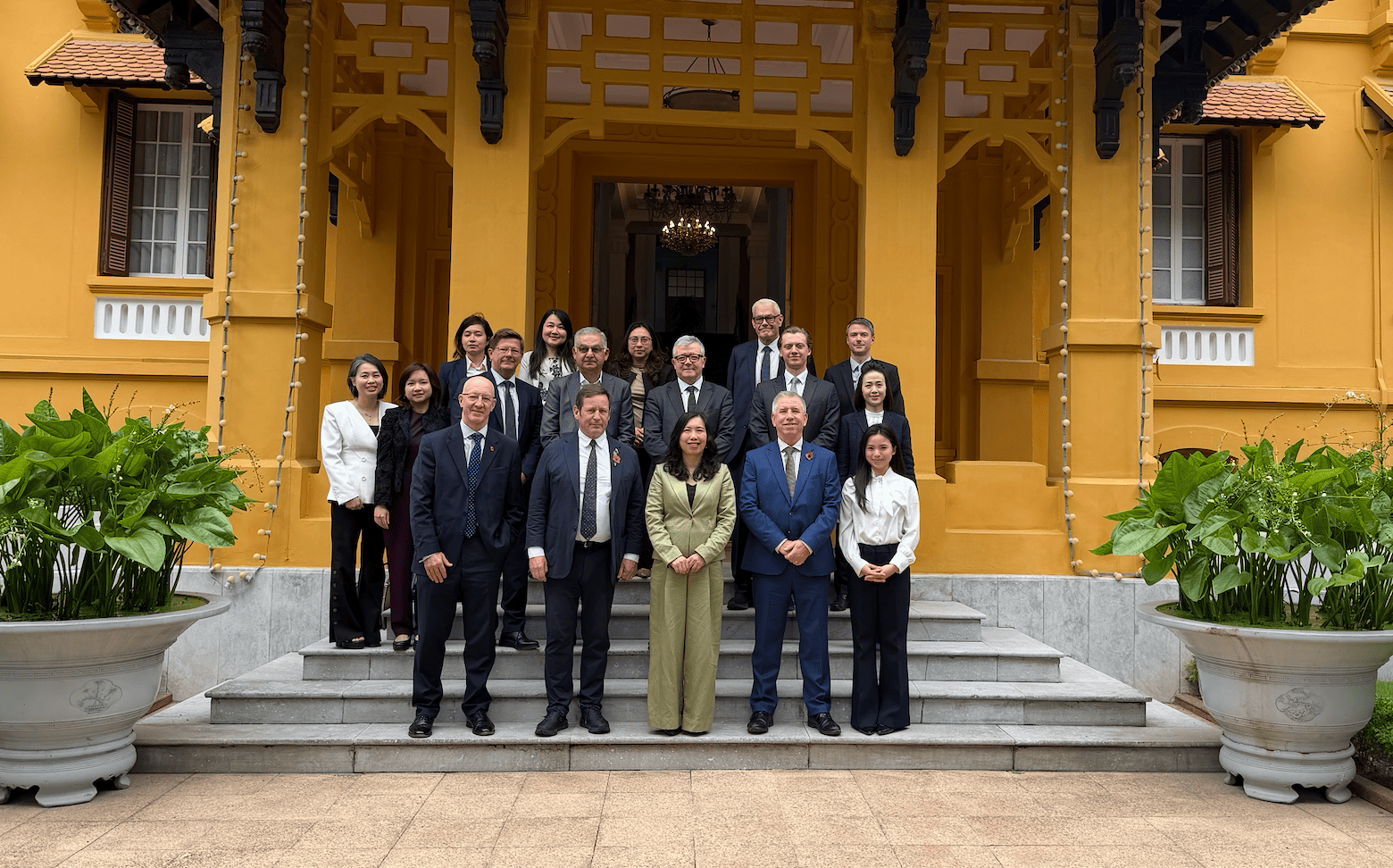
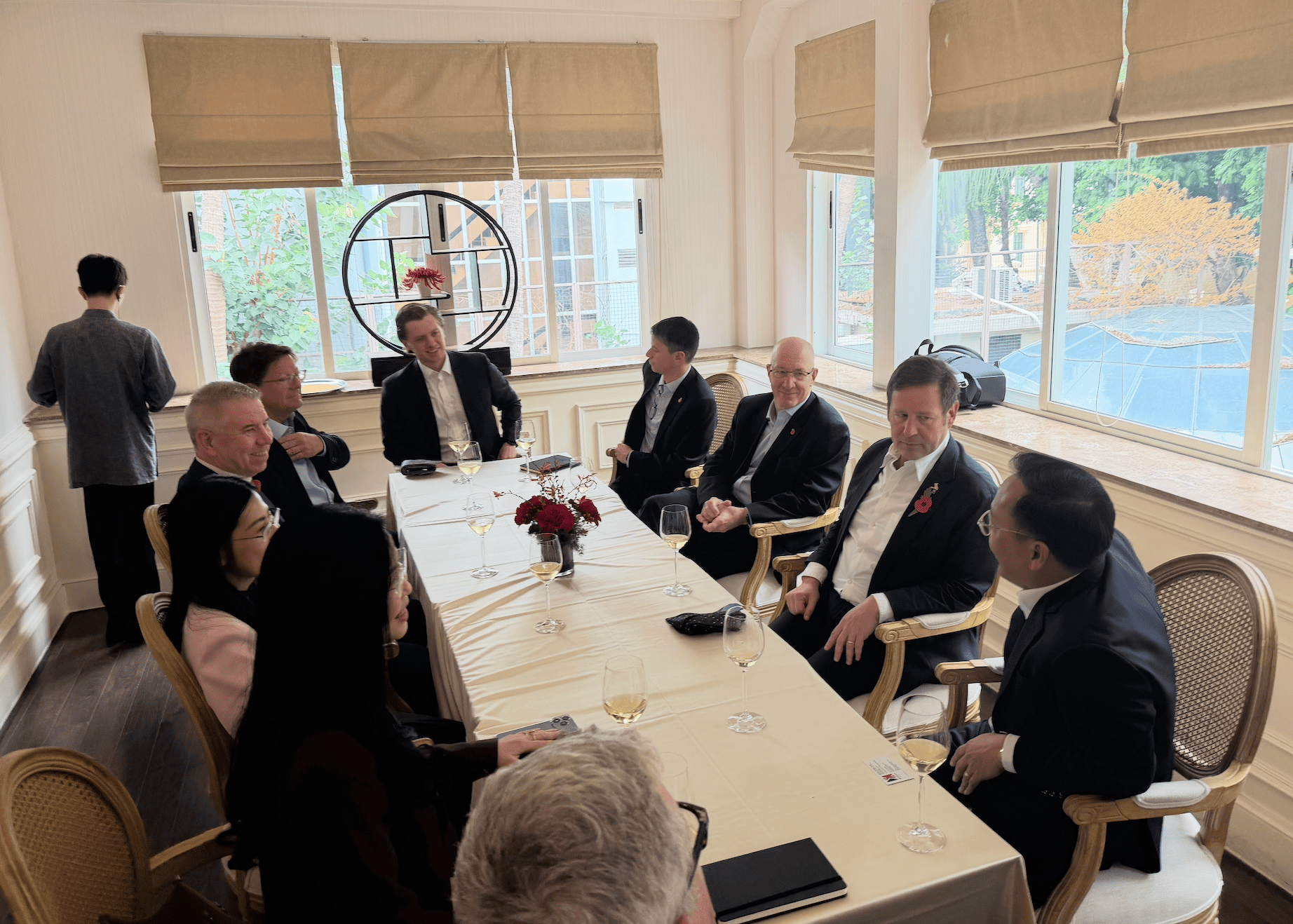
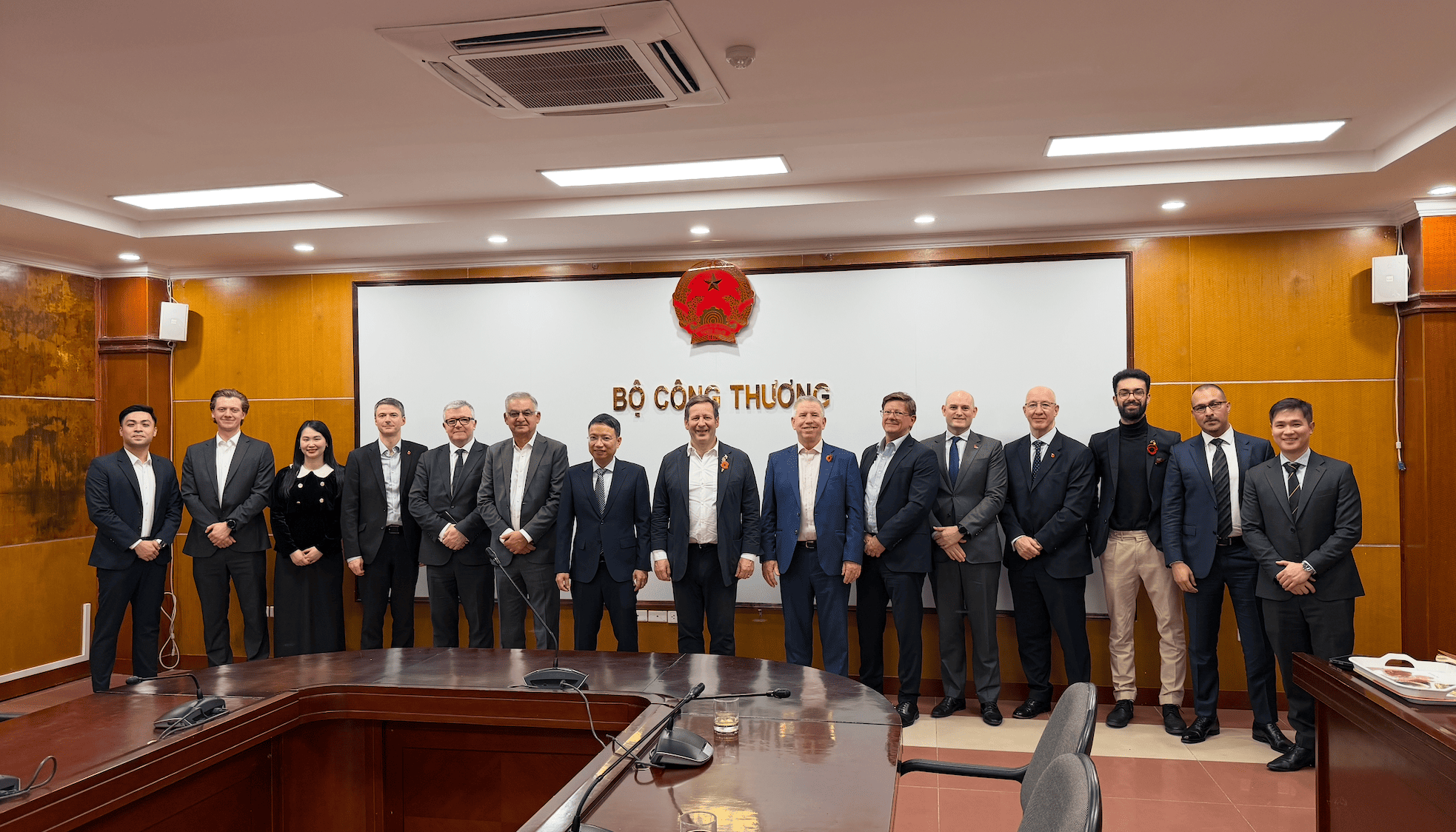
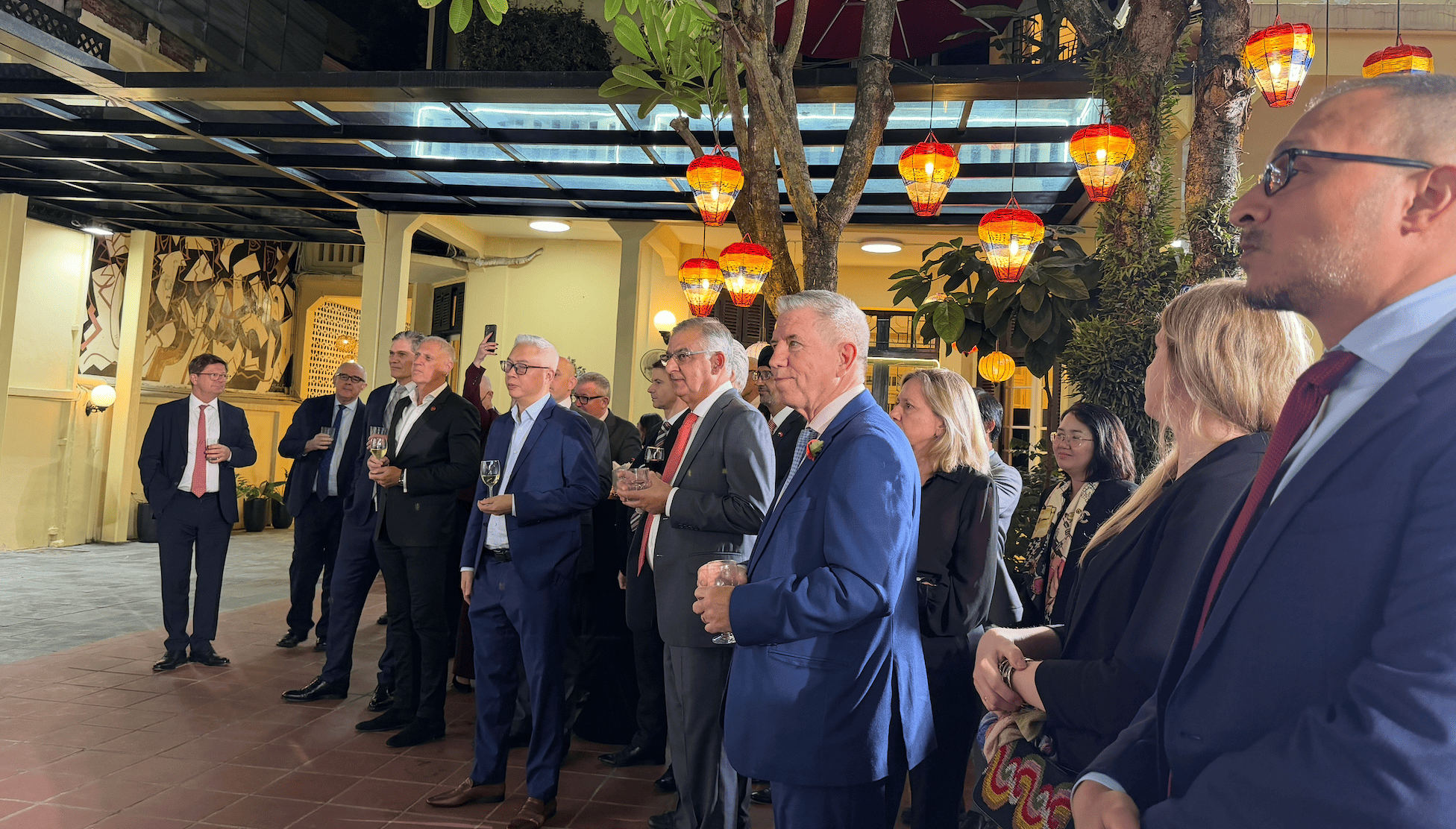
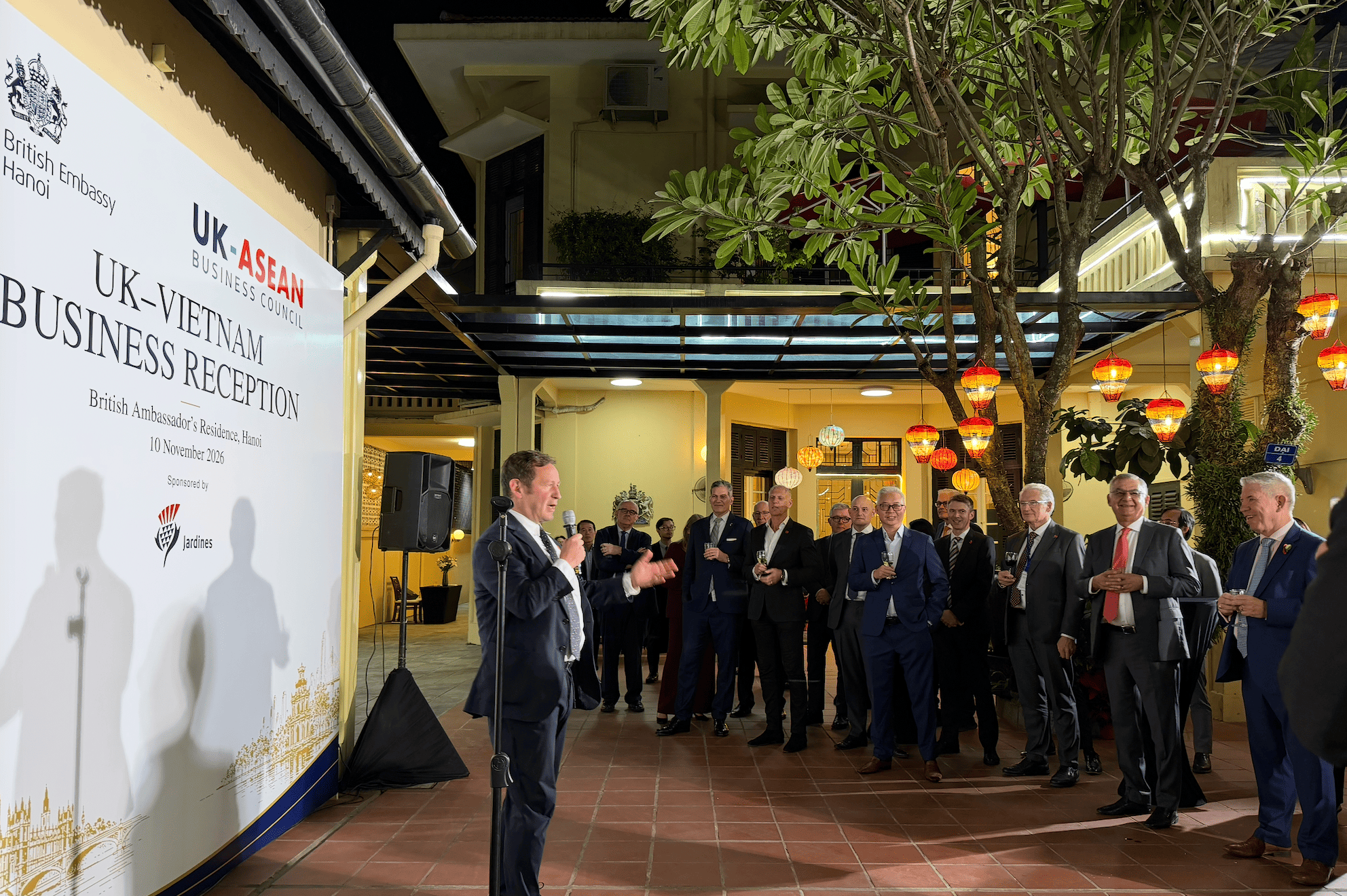
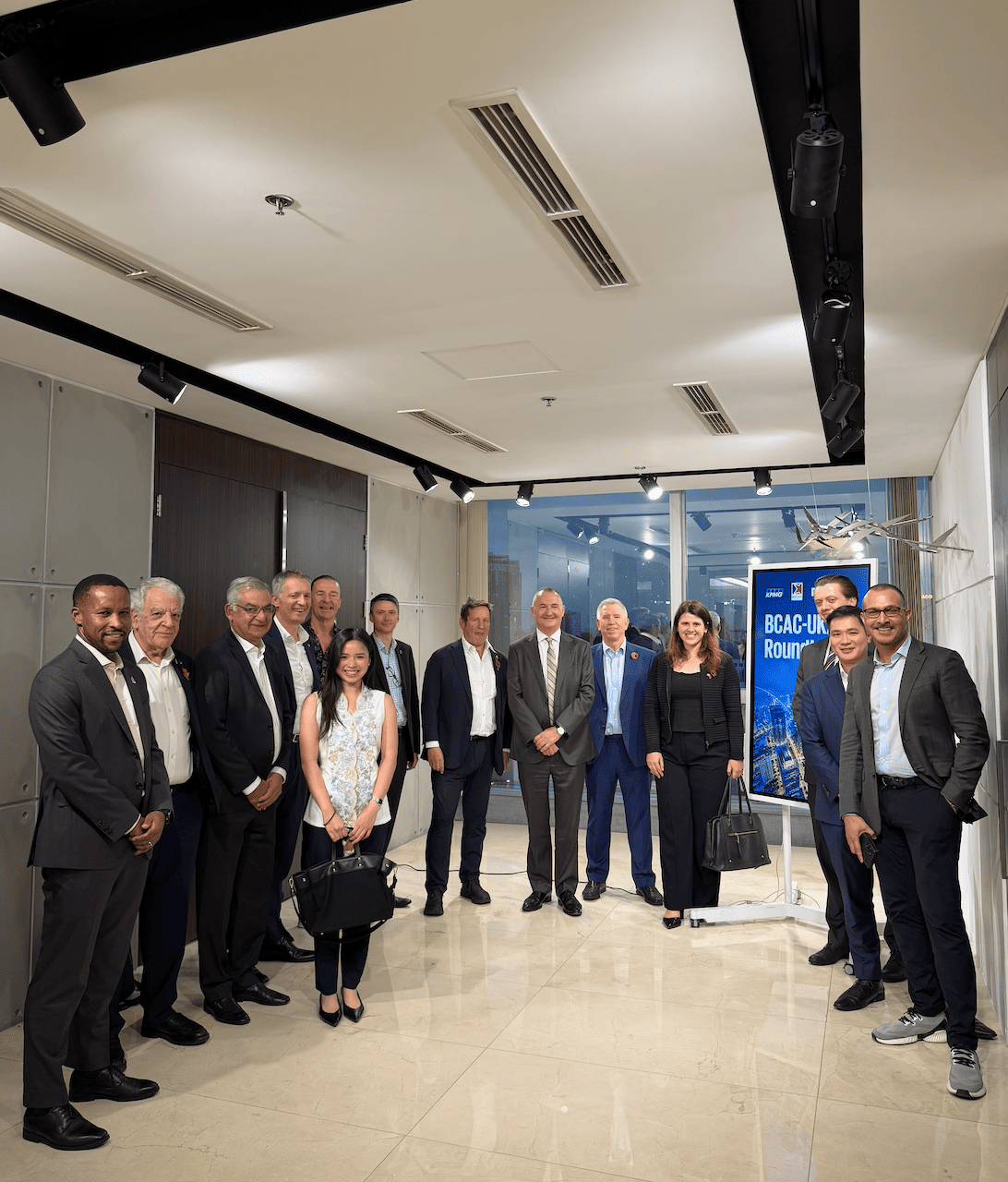
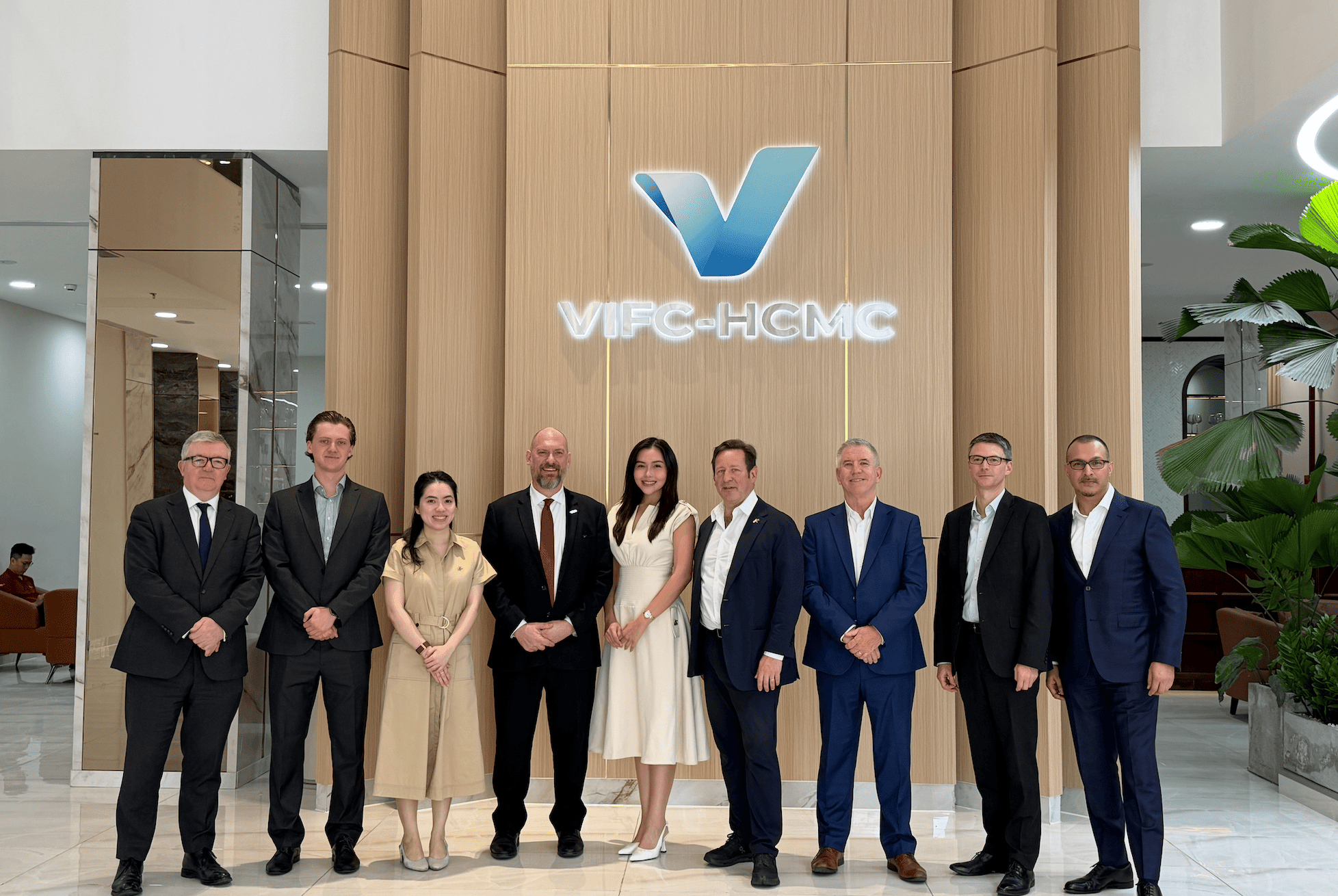
Discussions in Hanoi and Ho Chi Minh City focused on financial services, education, technology and the energy transition.
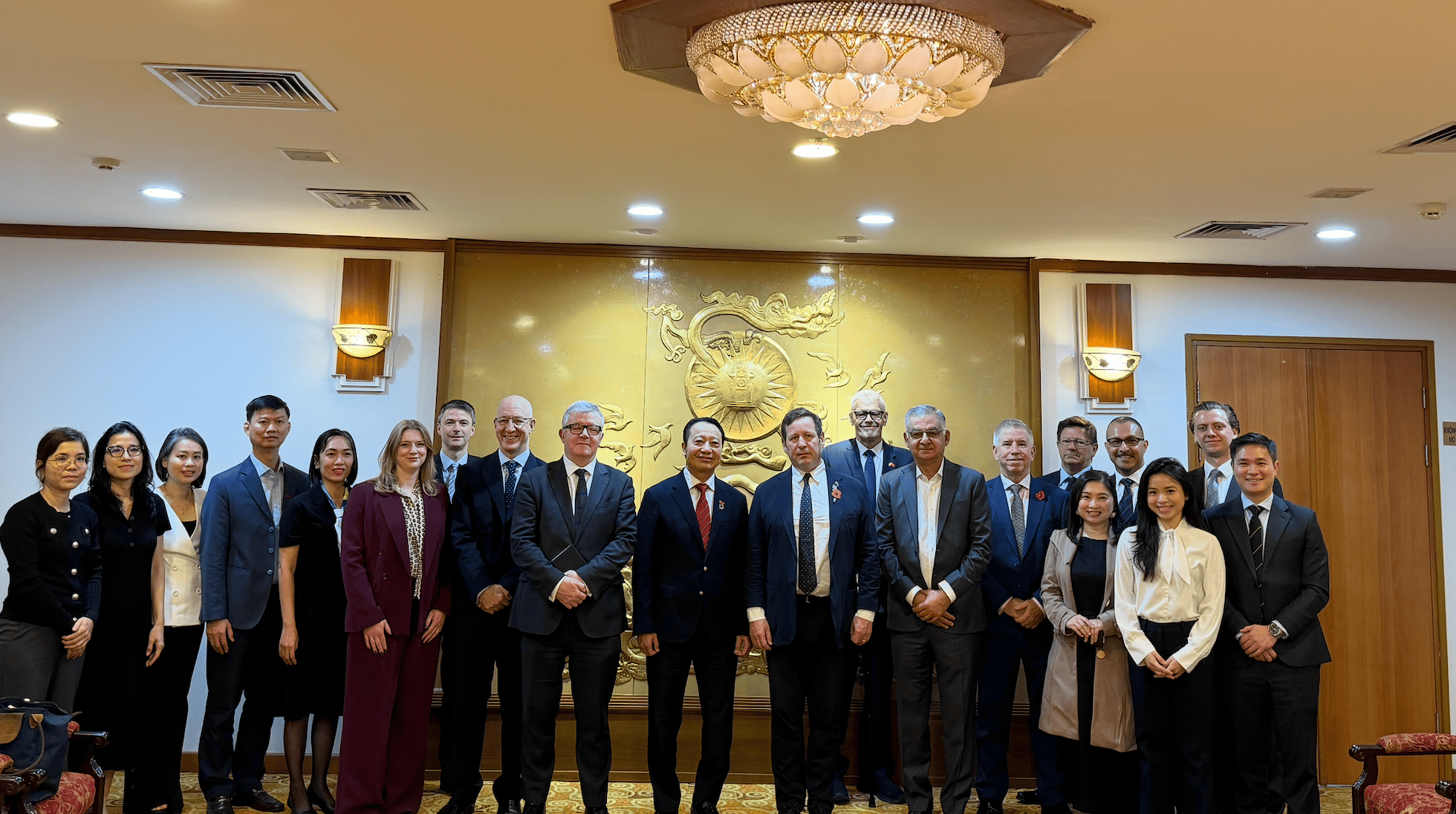
UKABC’s programme in Vietnam from 9-12 November, led by UKABC Chair Lord Vaizey and Chief Executive Ian Gibbons OBE, brought together government representatives, business leaders and education partners to explore opportunities for closer UK-Vietnam cooperation.
Meetings with British Ambassador H.E. Iain Frew, Vietnamese ministries, the Vietnam Chamber of Commerce and Industry (VCCI) and businesses highlighted Vietnam’s growth ambitions and the role UK expertise can play in supporting them. Discussions also explored the regulatory frameworks, skills and investment needed to turn ambition into sustainable growth.
Financial services: supporting Vietnam’s ambitions
The development of the Vietnam International Financial Center (VIFC) was a recurring theme. In Ho Chi Minh City, its Executive Authority outlined a vision for one financial centre across two locations: a full-service offering in Ho Chi Minh City and a focus on frontier financial services, including fintech, in Danang.
Discussions highlighted opportunities for UK financial, legal and professional services firms, particularly around regulation, dispute resolution and investment. Establishing clear rules and confidence in enforcement will be important as the centre develops and seeks to attract international capital.
Education and technology: building skills and connections
Education emerged as another strong area for partnership. Vietnam’s ambition to make English a second language by 2035 is driving interest in English language teaching and teacher training, alongside demand for professional qualifications, vocational education and education technology.
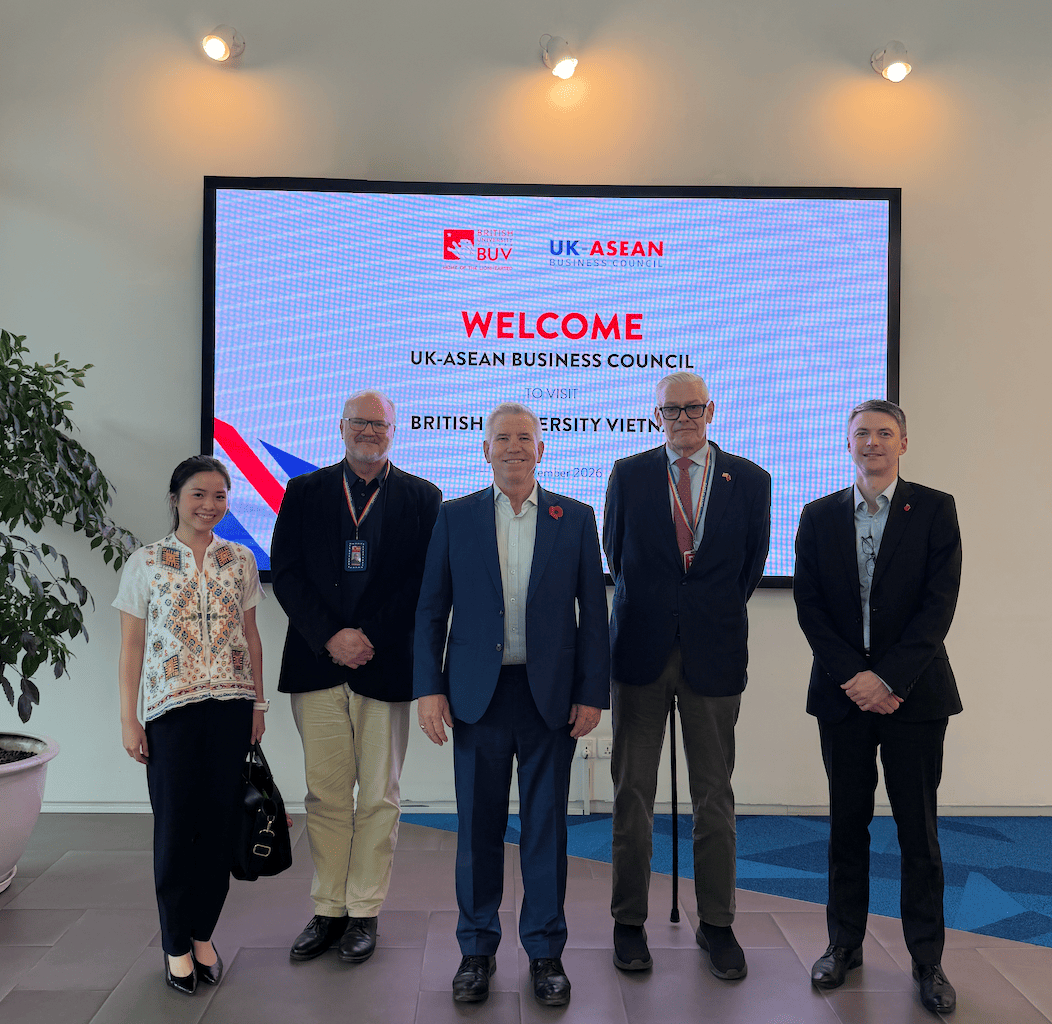
At British University Vietnam, discussions explored regional student recruitment and stronger links with international businesses. Corporate partnerships and more substantive internships offer scope to connect education more closely with employers’ needs.
A meeting with FPT explored the company’s international development, its interest in the UK market and the growing role of artificial intelligence in its projects. The conversation reinforced the importance of technology and technical skills within Vietnam’s growth ambitions.
Infrastructure and the energy transition
Meetings with the Ministry of Industry and Trade and business representatives underlined the scale of Vietnam’s infrastructure and energy needs. Discussions covered transport investment, offshore wind, climate resilience and rising electricity demand from new industries, including data centres.
UK businesses highlighted expertise in infrastructure finance, advisory services and resilient supply chains. Participants also recognised that clear regulation and effective delivery frameworks will be essential to support investment and the transition towards net zero.
Strengthening business engagement
Engagement with Vietnam Chamber of Commerce and Industry (VCCI) and the KPMG and British Corporate Advocacy Council roundtable provided perspectives on Vietnam’s investment environment. Political stability, manufacturing and capital-market development featured alongside practical questions about financing growth and delivering infrastructure.
Looking ahead, Vietnam’s hosting of APEC in 2027 and Chairship of ASEAN in 2029 offers a further opportunity for international business engagement. Across the programme, the message was consistent: there is significant scope for UK-Vietnam collaboration, with long-term partnerships, practical expertise and stronger business connections central to realising it. The UK-ASEAN Business Council and its members look forward to turning these discussions into lasting partnerships and tangible opportunities for UK and Vietnamese businesses.